

I was eleven years old, wearing a number sticker, standing in a room full of other kids waiting to sing You’re Never Fully Dressed Without a Smile. It was an open audition for Annie. I was going for orphan, not Annie herself. Still nervous. Still convinced I was about to make a complete fool of myself.
That was my introduction to am dram auditions. And honestly? It set the tone perfectly. Because the nerves never really go away. They just change shape.
Thirty years later I walked back into an audition room after a long break. Five committee members. Just me. One song I’d chosen, one piece of lib they chose for me, and a dance routine we all learned on the night. I was more prepared than I’d ever been at eleven. Still nervous.
Here’s the thing nobody tells you before your first audition: everyone in that room was once exactly where you are. The person on the panel who looks completely relaxed? They’ve been terrified in that chair too. The performer who seems effortlessly confident? They’ve had bad auditions. I know I have.
This post is everything I wish someone had told me before I walked into that first room.
What actually is an am dram audition?
An audition is simply how a society decides who performs in their show. That’s it. It’s not a talent competition. It’s not a judgement on you as a person. It’s a practical process to match performers to parts.
Most UK amateur theatre societies run open auditions. Anyone can come along. You don’t need an invitation or an application. You turn up, you do your thing, they make decisions.
Some societies also hold membership auditions separately from show auditions. Erewash Musical Society works this way. You audition to join the society first, then audition for parts in individual shows. Others, like Arcade Players, run closed auditions for show roles. Every society is different.
What they all have in common: they want you to do well. A bad audition is not fun for the panel either.
What will they ask you to do?
This is usually the biggest source of anxiety. And the honest answer is: it depends on the society and the show.
The most common elements are:
- Singing. Almost always. You might be asked to prepare something yourself (16 to 32 bars is standard), or you might be given material on the day. When I auditioned for EMS membership I chose Maybe This Time. When societies hold open auditions for a specific show, they’ll often give everyone the same piece to sing so they can compare fairly.
- Acting and script reading. A piece of lib (short for libretto) is common, especially for shows where acting matters as much as singing. Sometimes you choose it, sometimes the panel chooses for you. Cold reading from the script is normal. Don’t panic if you stumble over a word. Keep going.
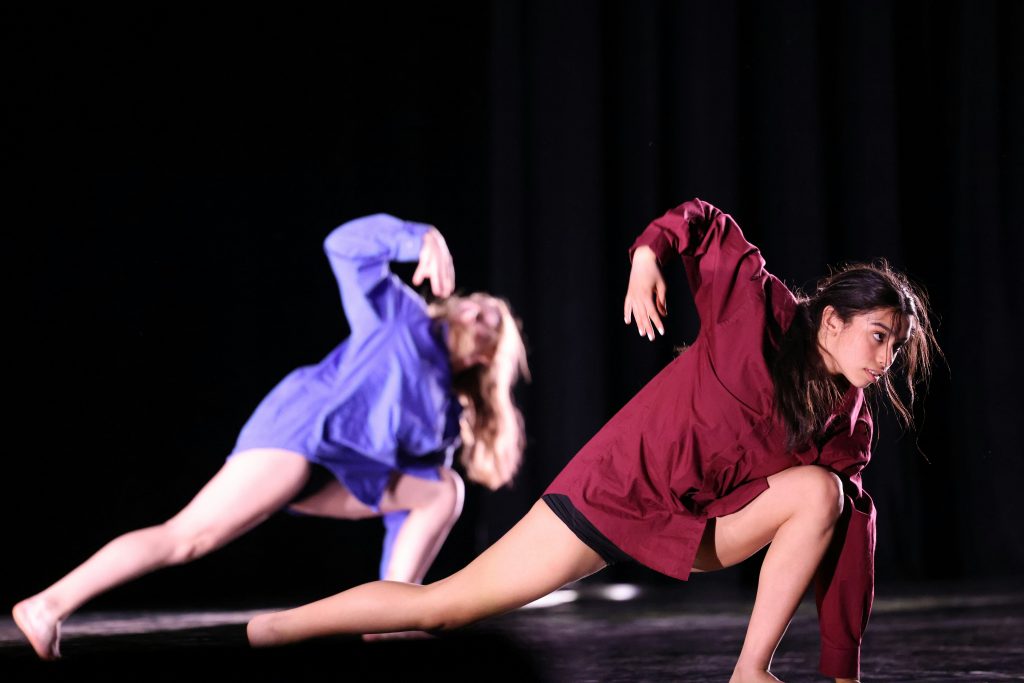
- Movement or dance. For shows with choreography, you might be taught a short combination in the room and asked to perform it. You won’t be expected to nail it perfectly. They’re looking at how you pick things up and how you carry yourself on stage. I’ve been in auditions where the whole group learns the same routine and the panel walks around making notes. It sounds intimidating. It’s actually quite fun once you get started.
Not every audition includes all three. Some are just a song and a chat. Some are more involved. Check with the society beforehand so you know what to expect.
What should you prepare?
For most am dram auditions, you need:
- A song. Even if you’re not sure which one, have something ready. Pick something in the comfortable middle of your range. Not your highest note, not your lowest. Something you know well enough that nerves won’t make you lose it entirely. 16 bars is plenty. If they want more, they’ll ask.
- A rough idea of the show. Do a bit of research before you go in. What’s it about? Who are the main characters? What’s the general tone? You don’t need to know every lyric, but walking in with no knowledge at all doesn’t help you.
- Comfortable clothes. You might be asked to move. A tight skirt or brand new shoes you haven’t broken in is not the choice.
- A part in mind. Think about what you’d like to go for. Hold it loosely, because casting doesn’t always go the way you expect. But having a role in mind helps you make performance choices in the room.
What you do not need: a headshot, a CV, a performance portfolio, or any professional theatre credits whatsoever. That’s a different world. This is am dram. They want to know if you can do the job and if you’re someone they want to spend six months rehearsing with.
What’s the room actually like?
Usually a church hall, a school, a community centre. Somewhere you’ve probably walked past a hundred times without knowing anything theatrical happened inside it.
The panel is typically two or three people: the director, the musical director, sometimes the choreographer. They’ll have a table, some paper, probably cold cups of tea.
There may be other auditionees in the room watching, depending on the format. Open auditions at EMS work this way. Everyone watches. This is the biggest shock for most newcomers. It feels deeply exposing the first time. You’re not just performing to the panel, you’re performing in front of people you might have just met in the car park.
I won’t pretend that’s not nerve-wracking. It is. But here’s what I’ve noticed: the other auditionees are rooting for you. They’re not sitting there hoping you’ll fall apart. They’re thinking about their own audition and willing you to do well, because they want to be in a show with good people around them.
Arcade Players and societies like them run closed auditions. Just you and a small panel. Different kind of nerve-wracking, but more contained.
What are they actually looking for?
Not perfection. I promise you that.
They’re looking for:
- Vocal suitability. Does your voice work for the parts available? This doesn’t mean you need to be the best singer in the room. It means you need to be in the right range for the role.
- The ability to take direction. This is huge. If they ask you to try something differently, can you do it without getting flustered? Directors need to know they can shape a performance.
- Commitment. Are you actually going to turn up? Reliable, enthusiastic people are worth their weight in gold in amateur theatre.
- Someone who fits the ensemble. Shows are not built on one person. They’re built on a cast that works together.
For chorus and ensemble roles especially: societies need people. Most am dram societies are not turning newcomers away at the door. A willing, enthusiastic performer who doesn’t have a big voice but commits fully will be welcomed far more warmly than you might expect.
What happens after the audition?
Some societies cast on the night. EMS does this for membership auditions. Others take a day or two. Arcade Players usually come back the same day or next.
You’ll be contacted by phone or email. Or sometimes a cast list goes up in the room before you leave.
Here’s the bit worth saying plainly: you might not get the part you wanted. It happens to everyone, including people who have been doing this for decades. I didn’t get a part in Bad Girls. I knew why. It was my first open audition with EMS and I hadn’t prepared properly for the format. Performing in front of a room full of people watching was new to me and I let the nerves win. I didn’t perform as well as I could have.
What I took from it: if I wanted a specific part, I needed to be ready. Not just know my song. Ready. Prepared for every element, every version of the audition, every possible curveball.
If you don’t get cast, ask for feedback if the society offers it. Try again next time. Try a different society. Keep going.
My honest advice for your first audition
- Prepare your song properly. Not just the notes. Know it cold, so that nerves can’t knock it out of you.
- Go in expecting to be nervous. Nerves are not the enemy. They usually read as energy, and energy is exactly what you want in that room.
- Be friendly to everyone. You might be rehearsing with these people every week for six months. First impressions matter.
- Wear something you can move in and feel good in. Not your most impressive outfit. Something that lets you perform.
- If something goes wrong, keep going. Everyone has cracked a note or lost their place. The panel doesn’t expect perfection. They want to see how you handle it when things don’t go to plan.
- Say yes to everything. If the director asks you to try a scene a completely different way, try it. That willingness is exactly what they’re looking for.
- And if it’s an open audition: yes, people are watching. Perform to them as much as the panel. It’s good practice, and it might just be the thing that gets you noticed.
FAQ
Do I need experience to audition for am dram? No. Most UK amateur theatre societies welcome complete beginners. Some societies hold beginner-friendly auditions or have open membership. Experience helps, but it’s not a requirement.
What song should I sing at an am dram audition? Pick something in the comfortable middle of your range that you know well. If the society specifies a style or era, stay within that. 16 to 32 bars is enough for most auditions. If they want more, they’ll ask.
How long is an am dram audition? It varies. A membership audition might take 10 to 20 minutes per person. A large open audition where the whole group performs together can take an hour or more. Check with the society beforehand.
What happens if I don’t get cast? Ask for feedback if the society offers it. Most will. Use it. Try again at the next production. Most societies are genuinely pleased to see someone come back.
Can I audition if I can only sing and not dance? Yes. Not all shows require dancing, and even for those that do, am dram societies generally work with a range of abilities. Be honest about your experience if asked.
Do am dram societies always use auditions, or can you just join? It varies by society. Some have open membership with no audition required. Others audition for membership and then again for show roles. Check the individual society’s process before you go.
The first audition is the hardest one. Not because the others get easier exactly, but because you stop fearing the unknown. You know what the room looks like. You know how the nerves feel. You know that walking in and doing it is the whole point.
Amateur theatre is full of people who were terrified at their first audition. Every single one of them went in anyway.
Go in anyway.